


The scam started with a slick pitch. Bernhard Eugen Fritsch, the 63-year-old CEO of StarClub Inc., convinced investors and Hollywood stars that his flashy tech startup was the next big thing. Instead, it was smoke and mirrors. He pulled in over $20 million by lying about his app’s success - and then used the money to bankroll his millionaire lifestyle.
Fritsch, based in Malibu, told backers that his app, StarSite, would help celebrities turn their fame into serious money. He made it sound like Disney and other media giants were ready to invest. The truth? There were no deals, no revenue, no future. Just a scam built on fake promises and luxury cars.
The Tech CEO Made Up a $20 Million Lie!
Fritsch was not running a business. He was running a scam. He told people StarClub had already earned $15 million in 2015, that the company was about to close big-money deals, and that it would score investments from major names. All of this was fiction.

GTN / Instead of putting cash into the company, Fritsch bought a McLaren, a Rolls-Royce, and fixed up his Malibu mansion. He even spent investors' money upgrading his yacht.
It was bold, flashy, and completely fake.
Big Names With Bigger Problems
This scam didn’t just fool unknown investors. It roped in Hollywood names. In 2014, actor and singer Tyrese Gibson hosted a private StarClub party. Celebs like Enrique Iglesias, Trinidad James, and Elise Neal were seen at the event. It looked legit. That is what made it work.
Behind the red carpet events, though, the foundation was crumbling. At least one investor handed over more than $20 million based on Fritsch’s lies. That person then introduced Fritsch to other victims. All of them got scammed out of millions.
Lawsuits and Legal Trouble
The red flags were there. In 2013, music executive Haqq Islam sued Fritsch and StarClub, accusing them of fraud and unpaid debts. Islam claimed Fritsch owed him $750,000 for bringing stars like Jessica Simpson into the mix.
Even with multiple lawsuits, Fritsch kept the scam going for years. That is how convincing he was. Or maybe that is how much people wanted to believe the Hollywood dream.
On Thursday, a federal jury found Fritsch guilty of one count of wire fraud. He was cleared of a second count but still faces up to 20 years in prison. For now, he’s out on bond, but a sentencing hearing is coming.
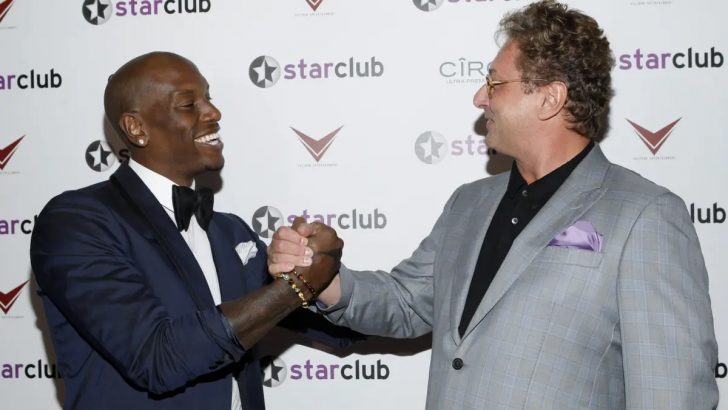
Marca / Law enforcement already seized the McLaren, the Rolls-Royce, and the yacht. All are tied to the fraud.
Those luxuries might be gone, but the damage he caused - nearly $25 million - is not so easy to recover from.
Why It Worked
The scam worked because it played on trust and status. Fritsch used celebrity parties, slick talk, and fake numbers to make StarClub seem like a golden ticket. When a scam looks successful, it is easy for people to ignore the warning signs.
And let’s be honest. Hollywood loves a shiny story. Fritsch used that to his advantage. Fancy events, big names, bold claims. It all looked real until it wasn't.
The Real Cost of the Scam
The financial losses are huge, but this scam also wrecked trust. Investors believed in the vision, celebrities lent their names, and Fritsch used that trust to line his own pockets.
This is not just a mere cautionary tale. It is a wake-up call. A good pitch is not enough. Big names don’t guarantee anything. And sometimes, the man behind the curtain is just a con artist in a nice suit.