



Cuba has launched what many officials describe as the country's most significant economic transformation since the 1959 Revolution. The government approved a package of 176 economic and social reforms earlier in June 2026. The package aims to revive an economy that has struggled through years of shortages, weak growth, and financial pressure.
The sweeping measures signal a major shift for the island's state-dominated economy. While Cuban leaders insist the country remains committed to socialism, the reforms introduce broader roles for private businesses, foreign investors, and market-based policies. Together, these changes could reshape how Cuba's economy operates for years to come.
The reform package received approval from both the Communist Party's Central Committee and the National Assembly. Officials described the move as “necessary to address the country's deepest economic crisis since the 'Special Period' of the 1990s,” when Cuba faced severe hardship after the collapse of the Soviet Union.
Why Cuba Decided to Change Course?

Iwar / Unsplash / Cuba's economy has faced growing challenges over the past several years. Daily power outages lasting up to 20 hours have disrupted homes, businesses, and public services across the island.
Inflation, shortages of basic goods, and declining production have made daily life increasingly difficult for millions of Cubans.
Government leaders point to several reasons behind the crisis. They continue to blame decades of United States sanctions, often describing them as a "criminal blockade" that limits trade and investment. At the same time, President Miguel Díaz Canel has acknowledged that internal problems also deserve attention.
According to the president, excessive bureaucracy and strict regulations have slowed economic activity and discouraged innovation. He argued that outdated rules have prevented businesses from growing and reduced the country's ability to respond to changing economic conditions.
Many economists believe both external and internal pressures contributed to the current situation. Years of limited investment, reduced tourism revenue, supply chain disruptions, and financial restrictions have all placed enormous pressure on Cuba's economy.
Private Businesses Gain More Freedom
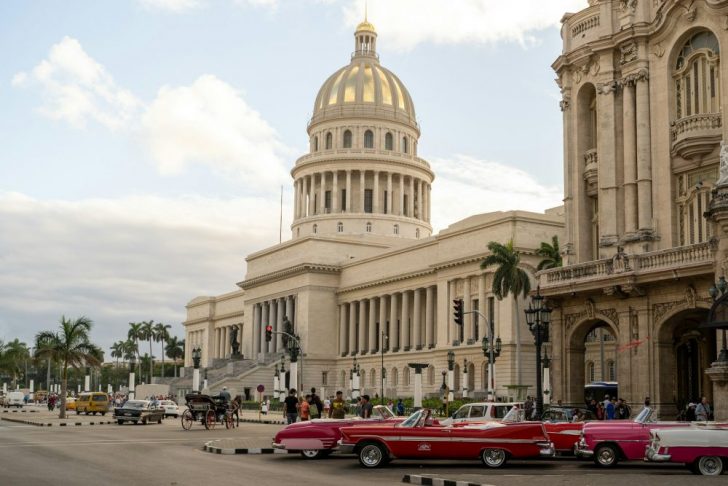
David / Unsplash / Cuba will remove the long-standing limit that allowed private companies to employ no more than 100 workers.
Business owners will also be allowed to own multiple companies for the first time.
The government is also cutting the number of prohibited business activities from 125 to 55. That change opens many industries that were previously reserved for state control. Entrepreneurs will have far greater flexibility to expand their operations and explore new business opportunities.
One of the most surprising decisions involves the fuel market. Private individuals and non-state companies will now be allowed to import and sell fuel. This marks a significant departure from previous government policy and could help ease fuel shortages affecting transportation and industry.
Foreign investment also receives a major boost under the new reforms. Officials plan to simplify approval procedures and offer equal investment conditions to both foreign investors and Cubans living abroad. Investors will also gain access to land use rights designed to encourage long-term development projects.
The government hopes these measures will attract fresh capital into key sectors such as manufacturing, agriculture, tourism, renewable energy, and infrastructure. More investment could help create jobs while improving access to products and services that remain difficult to find across the island.
Apart from that, the financial sector is also preparing for historic changes. For the first time, Cuba will allow private banks to operate under the supervision of the Central Bank. The reforms also authorize private currency exchange centers and introduce a real-time digital foreign exchange market.
These financial reforms aim to improve access to banking services while making currency transactions more transparent. Businesses and individuals have struggled with multiple exchange rates and limited financial services for years. Officials believe a more modern financial system could encourage investment and improve economic efficiency.