





A fragile shift appears underway in Middle East geopolitics as discussions surface around a possible agreement between the United States and Iran aimed at ending months of conflict and reopening the Strait of Hormuz.
The situation remains unsettled, with both diplomacy and military activity unfolding at the same time. While a framework has reportedly been discussed, final approval still depends on political leadership in Washington and Tehran, keeping the outcome uncertain.
The proposed arrangement comes after repeated exchanges of drone and missile strikes in the region, underscoring how unstable the ceasefire environment has been since its announcement in April.
Early Framework and Political Review
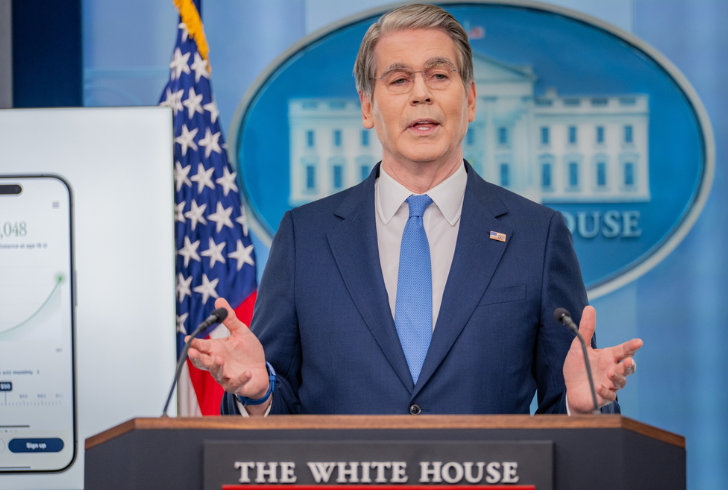
Instagram | matty.kaminsky | Scott Bessent noted that Trump’s multifaceted strategy is still being finalized, emphasizing that he will reject any unfavorable deals.
Senior officials from both sides confirmed that a preliminary structure for a deal exists. The plan is described as broad in scope and still under evaluation.
Scott Bessent described the plan as broad and still under evaluation. He said it remains “multifaceted” and awaits a final decision from Donald Trump. He also noted, “He has several red lines,” and added, “He’s not going to take a bad deal.”
The agreement discussions follow renewed fighting between regional actors, including Israeli operations and Iran-aligned groups in Lebanon, which continue to complicate any long-term settlement.
Military coordination efforts have also been reported, with Israeli and Lebanese defense representatives scheduled to meet under U.S. supervision in Washington, alongside additional political discussions planned for the following week.
Strait of Hormuz at the Center of Negotiations
A major condition tied to any progress is the reopening of the Strait of Hormuz, a key maritime route through which nearly one-fifth of global oil supply passes. Any disruption in this corridor has immediate effects on international energy markets and shipping routes.
According to senior U.S. officials, no agreement moves forward unless Tehran agrees to restore full access through the strait. The United States has also insisted on additional conditions, including limits on Iran’s nuclear activities and the transfer of highly enriched uranium stockpiles.
U.S. officials have stressed that Iran must abandon its nuclear program entirely for talks to advance, a demand that has repeatedly stalled earlier negotiations.
Military Exchanges and Rising Pressure
While diplomatic conversations continue, military activity in the region has remained active.
U.S. Central Command reported that American forces struck a launch site in Bandar Abbas, located near the Strait of Hormuz, after intercepting five Iranian one-way attack drones. Officials said the drones posed a direct threat to commercial shipping, with a sixth launch reportedly being prepared at the time.
Shortly after, Iran’s Islamic Revolutionary Guard Corps (IRGC) announced a retaliatory strike targeting a U.S. air base in Kuwait. Iranian officials claimed the attack originated from the earlier U.S. strike location. Kuwaiti defense systems reportedly intercepted a ballistic missile during the incident.
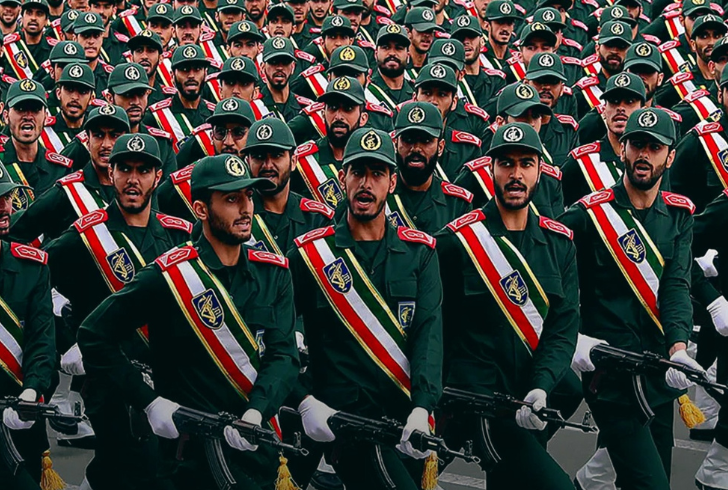
Instagram | rudawenglish | Iran retaliated with a missile strike on a U.S. base in Kuwait, which was successfully intercepted.
A statement from U.S. Central Command said, “U.S. Central Command and regional partners remain vigilant and measured as we continue to defend our forces and interests from unjustified Iranian aggression.”
A separate U.S. official described the response as “measured, purely defensive, and intended to maintain the ceasefire.”
The IRGC responded sharply, warning of escalation. “This response is a serious warning so that the enemy knows aggression will not go unanswered,” the group stated. It further added, “If repeated, our response will be more decisive. Responsibility for the consequences lies with the aggressor.”
Sanctions Pressure and Economic Strain
Alongside military actions, financial pressure on Iran has intensified. U.S. authorities have expanded sanctions enforcement aimed at restricting military funding and limiting access to global financial systems.
Treasury officials indicated that maritime restrictions have already reduced Iranian crude exports significantly. Additional measures targeting aviation access, including landing rights and fuel supply, are also under consideration.
Scott Bessent stated on social platforms that financial restrictions are part of a broader strategy, noting continued efforts to constrain Iran’s economic capacity. He added, “Only a satisfactory outcome in negotiations will end the downward spiral.”
Nuclear Demands and Assets Dispute
A major barrier in talks remains Iran’s nuclear program and frozen sovereign funds held abroad. Iranian officials continue to demand full release of assets and restoration of financial access.
Ali Bagheri Kani, deputy secretary of Iran’s Supreme National Security Council, told Russian media outlet RIA Novosti, “Iran’s assets must be returned to Iran in full and unconditionally.”
From Washington’s side, the position remains unchanged. When questioned about frozen funds, Donald Trump stated, “We have control of money that they claim is theirs. We’ll keep control of that money. When they behave properly, and then they do what’s right, we’ll let them have their money. But right now, we’re not doing that.”
These opposing positions continue to stall progress on financial reconciliation.
Israel and Lebanon Tensions
Parallel conflicts involving Israel and Hezbollah have further complicated the diplomatic landscape. Israeli operations across Lebanon have intensified, including strikes near Beirut and southern regions.
The Israel Defense Forces confirmed an airstrike targeting Hezbollah’s missile unit commander Ali al-Husseini, according to Israeli media reports. Additional strikes were reported in Sidon and other southern areas.
Lebanon’s Ministry of Health reported casualties from an airstrike in a Beirut suburb, including three deaths and multiple injuries.
Tensions escalated further after Hezbollah reportedly killed an Israeli soldier in northern Israel, raising the total number of Israeli military fatalities to 24 in ongoing exchanges.
Israeli Finance Minister Bezalel Smotrich called for stronger action, saying, “For every drone that hits one of our soldiers, 100 buildings must be taken down.”
Limited activity in the Strait of Hormuz has already pushed global oil prices higher. Reduced Iranian exports tightened supply and increased fuel costs in several countries, including the United States.
Energy markets remain sensitive to any escalation. Even small disruptions in the strait quickly affect shipping rates and gasoline prices.
Political Positioning and Election Context
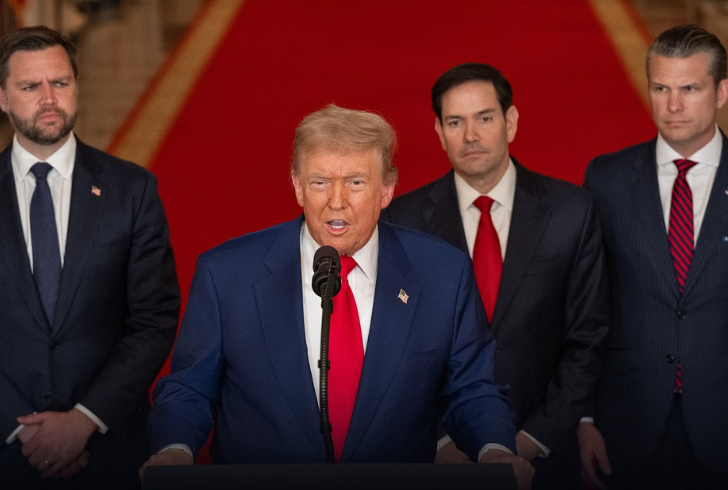
Instagram | realdonaldtrump | Trump remains confident in negotiations, viewing the early-stage situation through the lens of historic conflicts.
Public remarks from Donald Trump have reflected confidence in the current negotiating position. During a cabinet meeting, he compared the situation to prolonged conflicts in Vietnam, Korea, and Afghanistan, stating that those wars lasted years while the current situation remains in its early phase.
He also said, “I don’t care about the midterms,” while addressing political pressure linked to rising domestic fuel prices.
At the same time, diplomatic efforts involving regional allies such as Saudi Arabia and Qatar continue, particularly regarding normalization talks with Israel, though progress remains limited.
US–Iran talks show early signs of structure, but key disagreements remain unresolved. The Strait of Hormuz, nuclear restrictions, and frozen assets sit at the center of the dispute. Military clashes and regional tensions continue to slow progress.
Until both sides align on core demands, stability in the region depends on cautious diplomacy and controlled restraint.