




A major immigration policy shift from the Trump administration sparked immediate concern across the United States in late May 2026. The change targeted a long-standing process used by many foreign nationals already living in the country. Within days, the proposal triggered resistance from businesses, immigration attorneys, and advocacy groups. That pressure appears to have forced a quick retreat, at least in practice.
The episode highlights the ongoing struggle between stricter immigration enforcement and the economic realities facing American employers. While administration officials insist the policy remains in place, recent actions suggest a far more flexible approach than originally announced.
Sudden Change to a Decade-old Process
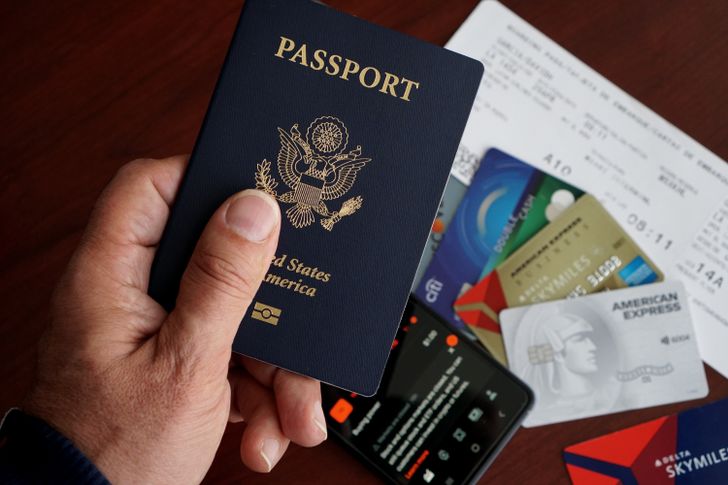
Dave / Pexels / On May 22, 2026, U.S. Citizenship and Immigration Services announced new guidance that dramatically changed how many people would pursue permanent residency.
The policy instructed most temporary visa holders to return to their home countries before applying for a green card.
For more than 50 years, many eligible immigrants have relied on a process called adjustment of status. This system allows applicants already living legally in the United States to complete their green card applications without leaving the country. The new guidance sharply limited that option and stated it would be available only in "extraordinary circumstances."
The policy offered little explanation about what qualified as extraordinary. Immigration officers would have broad authority to make those decisions on their own. Applicants, employers, and attorneys were left guessing how the rule would be enforced.
Federal officials defended the move as a return to the original purpose of immigration law. According to the administration, temporary visas were never intended to serve as a pathway toward permanent residency. Officials argued that the existing process had evolved into a loophole that needed to be closed.
Critics Sound the Alarm
The response was swift and intense. Immigration lawyers warned that the policy could affect hundreds of thousands of people every year. Families, workers, students, and humanitarian applicants suddenly faced the possibility of leaving the country during the green card process.
Many experts pointed to the risk of lengthy separations. Some U.S. consulates abroad already struggle with significant backlogs. In several countries, applicants can wait many months, and sometimes more than a year, for appointments and visa processing.
For applicants from places such as Afghanistan, returning home might not be a realistic option. In some cases, it could create a situation where completing the process becomes nearly impossible.
Legal scholars also questioned the administration's authority. Critics argued that Congress specifically allowed adjustment of status through existing immigration law. They claimed the guidance effectively rewrote the law without legislative approval.
As confusion spread, immigration law firms received a flood of calls from worried clients. Employers struggled to answer questions from foreign workers who feared disruptions to their careers and family lives.
Business Leaders Enter the Fight

Magnific / According to reports, industry organizations and corporate leaders launched a coordinated lobbying effort almost immediately after the policy announcement.
Many tech companies rely heavily on highly skilled foreign workers employed through temporary visa programs. Executives warned that forcing these employees to leave the country during the green card process could disrupt projects, delay innovation, and increase costs.
Business leaders also argued that uncertainty itself creates problems. Companies planning long-term investments need predictable immigration rules. Frequent policy shifts make recruiting and retaining international talent far more difficult.
The pressure extended beyond Silicon Valley. The U.S. Chamber of Commerce and other business groups reportedly raised concerns with officials across several federal agencies. They warned that the policy could encourage companies to move jobs and operations outside the United States.