





Remote work has changed how many employees think about productivity, and a new survey suggests younger workers may prefer working from home for a practical reason: they can focus better.
While many companies continue encouraging employees to return to office spaces, Gen Z workers say their performance improves when they have more control over their work environment.
A report from Diamond Interiors found that many Gen Z employees feel more productive at home compared with traditional office settings. The survey shows that 53% of Gen Z respondents believe they work better remotely, raising questions about whether offices are designed to support modern work habits.
Why Gen Z Finds Remote Work Effective
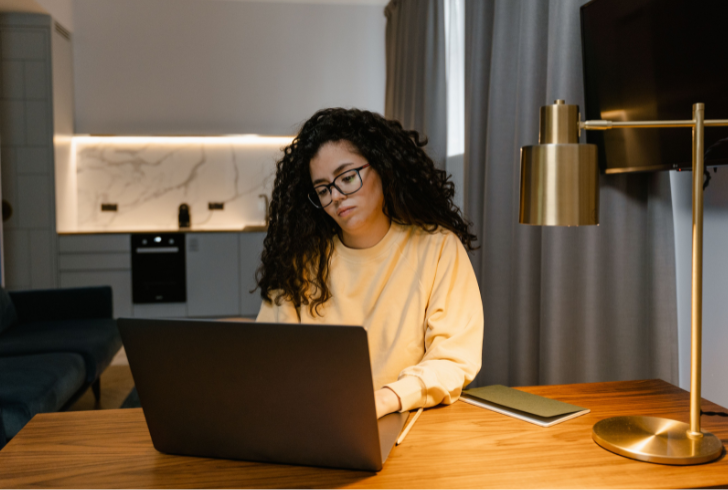
Freepik | Working from home gives employees a quiet, tailored space to focus with fewer distractions.
Working from home often allows employees to manage distractions, control noise levels, and create a workspace that fits their needs. For many younger workers, a quiet environment makes it easier to complete tasks without constant interruptions.
A busy office can create challenges, especially in open-plan workplaces where conversations, phone calls, and meetings happen throughout the day. Although these spaces encourage teamwork, they may not always provide the focus needed for individual assignments.
The shift toward remote work between 2020 and 2023 also played a role in shaping Gen Z’s expectations. Many young employees experienced remote learning during college and later entered careers where digital communication became a normal part of daily work.
Office Design May Be Part of the Problem
The survey suggests that the issue may not simply be that younger workers dislike offices. Instead, workplace design could be affecting how comfortable and productive employees feel.
According to the Diamond Interiors report, 34% of Gen Z employees believe workplace design affects their productivity. Open layouts, limited quiet spaces, and constant background activity can make it harder for some employees to concentrate.
Rebecca Waller, Head of Design at Diamond Interiors, explained that offices still play an important role in collaboration. However, she noted that many employees do not always have the right conditions for focused work.
She said, “In many cases, it is not necessarily because employees prefer being at home, but because home environments often offer greater control over noise, interruptions, and comfort.”
Can Offices Adapt to Changing Work Styles?
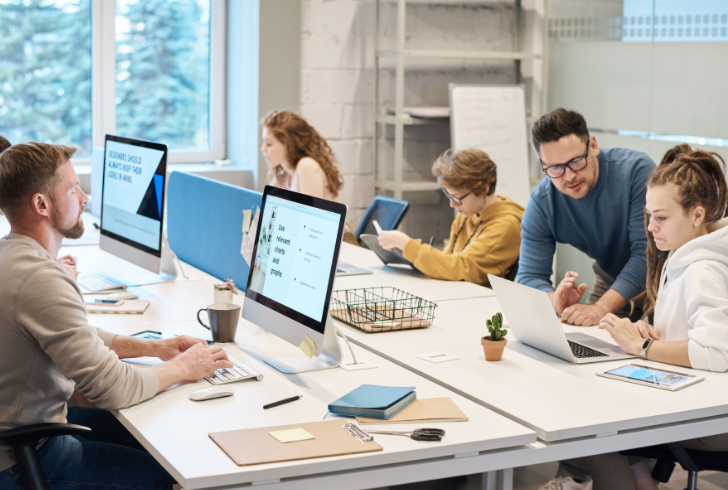
Pexels | A successful workplace strategy requires balancing quiet solo spaces with interactive team environments.
The debate is not simply about replacing offices with remote work. Instead, the findings point toward a need for workplaces that support different types of tasks.
Companies may need to create spaces that balance teamwork with private areas for focused projects. Quiet rooms, flexible seating, and better noise management can help employees work more effectively while still benefiting from in-person collaboration.
Gen Z’s preference for remote work highlights a larger workplace discussion. Productivity depends on more than location; it also depends on whether employees have an environment that helps them concentrate and perform well.
The latest survey shows that many Gen Z workers feel more productive when working from home because they can control their surroundings and reduce distractions. Offices are still valuable for communication and teamwork, but workplace designs may need to change to meet the expectations of a younger workforce.
Creating spaces that support both collaboration and concentration could help businesses build more effective work environments for everyone.