





Visa is preparing to cut around 7% of its global workforce, even after posting another strong quarter of revenue growth. The move has surprised many because the payments giant is far from struggling. Instead, the payment giant says it is reshaping its business to keep pace with the rapid changes across the financial technology industry.
According to reports, the layoffs will affect about 2,600 employees worldwide. Visa CEO Ryan McInerney informed employees through an internal memo on July 28, 2026, the same day the company released its fiscal third-quarter earnings. While job cuts often signal financial trouble, that is not the story here. Visa is making changes because it believes artificial intelligence will redefine how work gets done across the company.
AI Is Changing More Than Just Technology
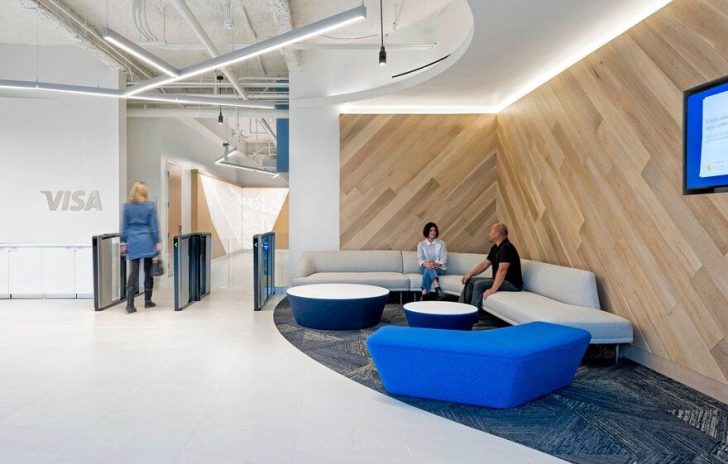
E News / Visa reported net revenue of $11.6 billion for the quarter, marking a 14% increase from the same period last year.
The layoffs are not tied to weak sales or declining profits. Instead, they reflect a shift in priorities as AI takes on a larger role inside the business.
CEO Ryan McInerney described AI as a “once-in-a-century transformation” for the payments industry. That statement gives a clear idea of how seriously Visa views the technology. The company believes AI will not simply improve existing systems. It expects AI to reshape the way teams build products, serve customers, and develop new payment solutions for the future.
Visa has already integrated generative AI tools across its workforce. Reports indicate that around 26,000 employees have already used these internal systems. Those tools are helping staff complete routine work faster while reducing the need for repetitive manual tasks that once required larger teams.
As AI continues to handle more foundational work, some traditional positions are becoming less essential. That shift is now leading to workforce reductions in areas where automation can deliver similar results. Rather than maintaining the same staffing levels, Visa is redirecting resources toward jobs that support long-term growth.
Which Teams Will Feel the Biggest Impact?
The layoffs will mainly affect Visa's technology and product divisions. Engineering teams working on infrastructure research, software development, testing, and maintenance are expected to see the largest cuts. These roles have traditionally supported the backbone of Visa's payment systems, but automation is changing how much human effort those processes require.
The company believes AI-powered development tools can speed up coding, testing, and maintenance while improving efficiency. As those capabilities grow, fewer employees may be needed for routine engineering work. Visa appears to be adjusting its workforce now rather than waiting for those changes to occur gradually.

Reddit / Over the past two years, several major technology companies have reduced headcount even as revenues continued to climb.
At the same time, the company is increasing its focus on areas with stronger growth potential. Visa plans to invest more heavily in cross-border payments, corporate payment services, high-net-worth customer solutions, and international expansion. These businesses continue to grow as digital payments become more common across global markets.
A Growing Trend Across the Tech Industry
Many executives argue that AI allows businesses to operate more efficiently, making some positions less necessary than before.
This trend highlights an important shift in corporate strategy. Companies are no longer waiting for economic slowdowns before making staffing changes. Instead, they are preparing for a future where AI handles more repetitive work while employees focus on creative thinking, customer relationships, and high-value decision-making.
For workers, this creates both challenges and opportunities. Some existing jobs may disappear as automation improves, but demand for AI specialists, cybersecurity experts, data scientists, cloud engineers, and product innovators continues to rise. Employees who develop these skills are likely to remain in high demand as businesses continue investing in digital transformation.