



Billionaire attorney John Morgan has a simple view of working from home. Employees can do it, but they should expect their bosses to watch them much more closely.
The founder of personal injury law firm Morgan & Morgan explained his remote-work policy during an appearance on the "Iced Coffee Hour" podcast. His comments quickly drew attention because Morgan did not soften his language or hide how aggressive the monitoring could become.
According to Morgan, employees who resisted returning to the office were still allowed to work remotely. That freedom came with a major condition, because the firm planned to track their activity far more closely than employees working inside its offices.
"Here's what we're going to do. You can work from home, but guess what? We're going to put a camera on your computer. We're going to put a camera up your ass," Morgan said on the podcast.
Morgan also described software that could measure keystrokes and produce data about employee activity.
John Morgan Says 23 Employees Quit Within a Week
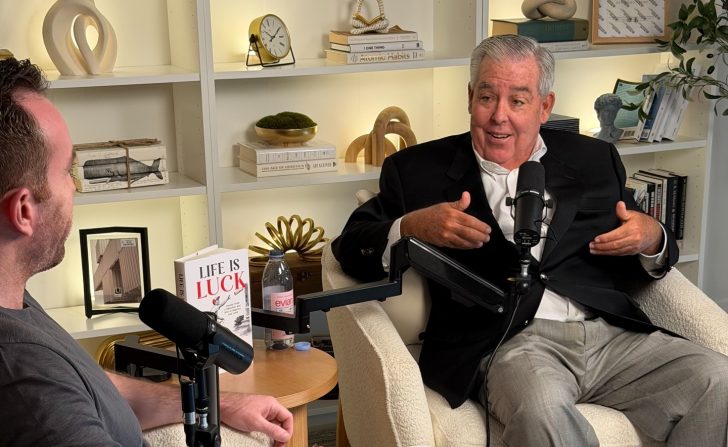
Morgan / IG / The 70-year-old billionaire attorney claimed 23 employees resigned during the first week after the company announced its monitoring requirements.
Morgan did not interpret those resignations as employees rejecting intrusive surveillance. Instead, he suggested their decision proved they were unwilling to put in the work expected of them.
"It's not that they don't want to work from home. They don't want to work," Morgan said. He also described workers who objected to the policy as "lazy" and argued that their anger was aimed in the wrong direction.
That position made his podcast comments especially controversial. Critics saw employees walking away from camera monitoring as a reasonable response to a workplace policy they considered invasive, while Morgan viewed the departures as evidence that the system had exposed poor workers.
During that conversation, he described a system involving cameras and productivity scores. His repeated defense of the approach suggests Morgan sees monitoring as a serious management tool rather than a temporary response to remote work.
Critics Say Cameras Measure Activity, Not Results
The backlash focused heavily on that distinction. Many online critics argued that strong managers should judge employees by deadlines, client results, completed projects, and the quality of their work rather than constant digital activity.
One criticism aimed directly at management itself. A social media user argued that a manager who cannot trust employees without putting them on camera has "failed as a hiring manager."
That criticism gets to the heart of the dispute. Morgan treats monitoring as a way to enforce accountability, while opponents see the same technology as proof that a company does not trust the people it hired.
There is also a practical problem with tracking keystrokes. Some jobs require long periods of reading, thinking, planning, researching, or speaking with clients. None of those tasks necessarily produces a steady stream of keyboard activity.
A lawyer reviewing a complex case may spend an hour reading documents before typing anything meaningful. Software could record that quiet period as low activity even though the employee is doing exactly what the job requires.
Heavy surveillance can also encourage employees to focus on ‘looking’ busy. Workers who know their clicks and keystrokes are being counted may start generating activity simply to keep their scores high.
The John Morgan Controversy Reflects a Bigger Workplace Fight

Silver / Pexels / Remote and hybrid work have given employers more reasons to consider software that tracks what workers do outside traditional offices.
These tools can record log-in times, websites, application use, screenshots, mouse activity, and keyboard activity. Some systems go much further by using cameras or creating automated productivity scores based on recorded behavior.
Interest in workplace surveillance has risen sharply alongside remote work. References to corporate surveillance on Glassdoor reportedly increased 216 percent between 2021 and 2025.