



For years, economists described America's uneven recovery as a K-shaped economy. Wealthier households kept moving higher while lower-income families struggled with rising costs and slower wage growth. Now, new research from Bank of America suggests the gap has become even more complicated. The middle class is no longer sitting safely between the rich and the poor. Instead, it is becoming the most financially fragile group in the economy.
That shift is changing spending habits, saving patterns, and even the job market. It also raises serious questions about the future of the American consumer, who has long powered the country's economy.
The K-Shaped Economy Is Becoming a Three-Tier System
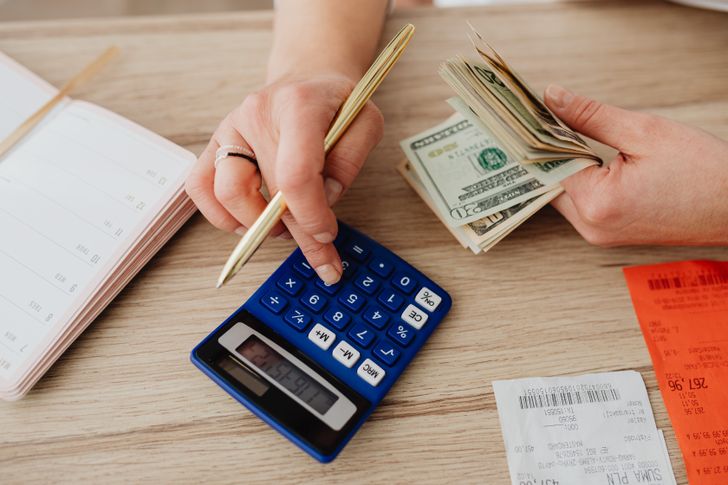
Karola / Pexels / A K-shaped economy is an uneven recovery after an economic downturn. One side of the population sees higher incomes, higher investments, and growing wealth.
The other side faces rising debt, weaker wage gains, and increasing financial pressure. It creates two very different economic experiences at the same time.
Bank of America now believes that the picture has changed again. Instead of two clear groups, the economy is separating into three distinct tiers. High-income households continue to grow stronger. Low-income families remain under pressure. The biggest change is the middle-income group, which is now showing signs of serious financial stress after years of holding on.
The Bank of America Institute says this shift became much more noticeable in late 2025. Pandemic savings have largely disappeared for many families. Inflation continues to eat into household budgets. At the same time, borrowing costs remain elevated, leaving less room for unexpected expenses.
Many middle-income households are now spending up to 95% of their monthly income on basic necessities. Rent, groceries, transportation, healthcare, and energy bills leave very little money for savings or discretionary purchases. That creates an economy where millions of families feel one unexpected bill away from financial trouble.
Luxury Spending Keeps Climbing While Everyday Budgets Tighten
One of the strongest signs of this widening gap comes from consumer spending. According to Bank of America analyst Ashley Wallace, luxury spending had been negative for more than three years before finally turning positive during the final quarter of 2025. After 13 straight quarters of year-over-year declines, luxury purchases started growing again. The pace intensified further during early 2026.
Monthly data through March 2026 showed luxury spending increasing by roughly 12% compared with the previous year. Although spending increased across every income group, higher-income households drove the largest gains. That trend fits perfectly with the broader economic divide.
Affluent consumers continue buying premium fashion, expensive vacations, luxury vehicles, and high-end experiences. Rising investment portfolios, higher home equity, and stronger financial cushions have helped protect them from many of the economic pressures affecting everyone else.
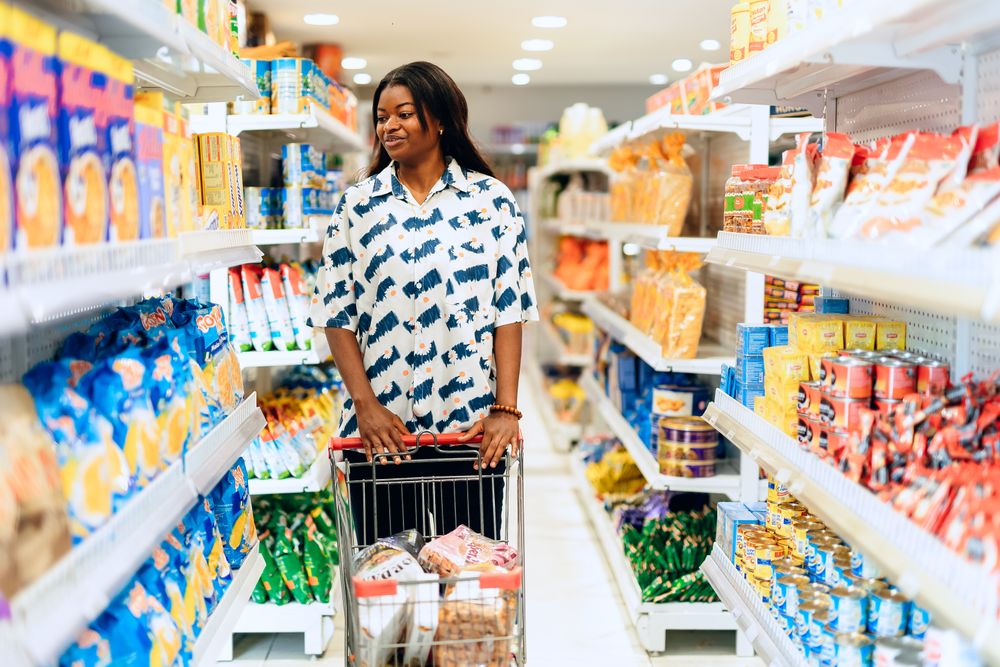
Meanwhile, middle-income shoppers are making very different decisions. Many households are delaying large purchases, cutting back on entertainment, and searching for discounts on everyday essentials.
Productivity Is Rising
Steve / Pexels / Bank of America analyzed national economic data and found that worker productivity has improved steadily since the pandemic.
Employees are producing more value for businesses, helping companies generate stronger earnings even during periods of slower economic growth.
The problem is that those productivity gains are not being shared equally among workers. Labor income now represents a smaller share of America's gross domestic product than it did before the pandemic. Corporate profits have captured a much larger share of the economic gains.
That imbalance creates long-term pressure on household finances. Companies may report healthy earnings while workers struggle to keep up with rising living costs. Even steady employment no longer guarantees financial security for many middle-income families.