




Micky Hardy took a path that most parents would probably question. At 18, he dropped out of college and decided to build a business instead. There was no degree waiting at the end of the road. There was also no guarantee that his decision would work.
A few years later, the risk looked very different. Hardy became the founder and CEO of Arcadia, a Nashville-based marketing agency that has worked with some of the biggest names in finance, technology, and sports. The company reached No. 93 on the Inc. 5000 list of America’s fastest-growing private companies. By the time Hardy was 22, Arcadia had recorded revenue growth of about 2,900 percent.
Micky Hardy Turned His Age into a Business Advantage
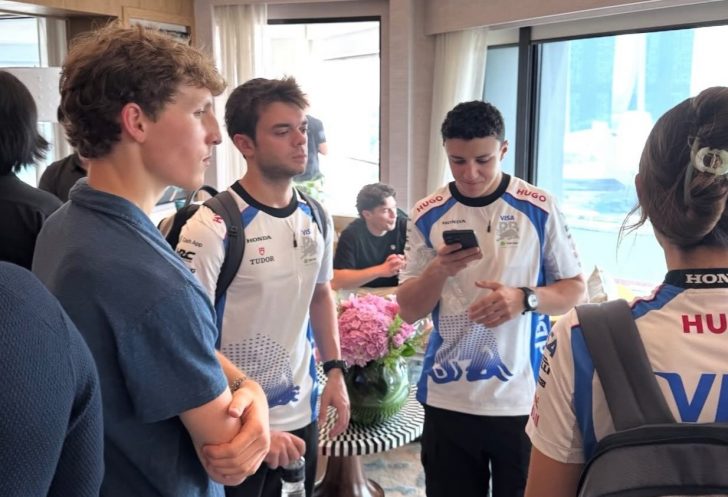
Micky / IG / When Hardy first started the company, he was too young to sign his own contracts. Later, he faced another unusual problem. He was not even old enough to join prospective clients for drinks in the usual business settings.
Those limitations could have made running an agency harder. Instead, Hardy found an advantage in the same thing that made him different. As a member of Gen Z, he grew up surrounded by online communities, social platforms, internet humor, creators, and rapidly changing digital trends.
Hardy understood that environment because he had lived inside it. Arcadia could approach digital marketing from the perspective of the people actually consuming the content. That helped the agency develop campaigns for companies trying to reach online audiences without sounding like corporations pretending to understand them.
His age still creates challenges that revenue cannot solve. Hardy has discussed the difficulty of finding peers who understand the problems he faces. There are plenty of young entrepreneurs, but far fewer people in their early twenties running a company with international clients, employees, and major growth expectations.
Arcadia Grew by Staying Selective
The Nashville-based creator marketing agency has focused heavily on technology, finance, digital assets, and Web3. Its client roster has included names such as JPMorgan Chase, FC Barcelona, Manchester United, and fintech company Ramp.
The agency has also kept its client list unusually tight. Arcadia reportedly works with no more than ten brands at once. That approach gives its team more room to focus on each account instead of stacking dozens of clients onto the same employees.
Arcadia has grown into an international operation with more than 25 team members. The company says it has managed campaigns for a combined client portfolio with a fully diluted valuation of around $50 billion. It has also generated more than 20 billion impressions in a single year and produced roughly $250 million in value for clients.
Those figures point to something larger than social media posting. Arcadia has leaned heavily into data and has developed on-chain analytics software to improve campaigns. The goal is to understand what marketing activity produces measurable results rather than celebrating attention that never turns into business value.
The company also created room for smaller businesses without changing Arcadia’s selective structure. In late 2024, it launched sister company Pandora Marketing, led by CEO Sahib Anandsongvit. Pandora focuses on earlier-stage Web3 companies that are still preparing to launch.
Micky Hardy is Building Beyond Arcadia
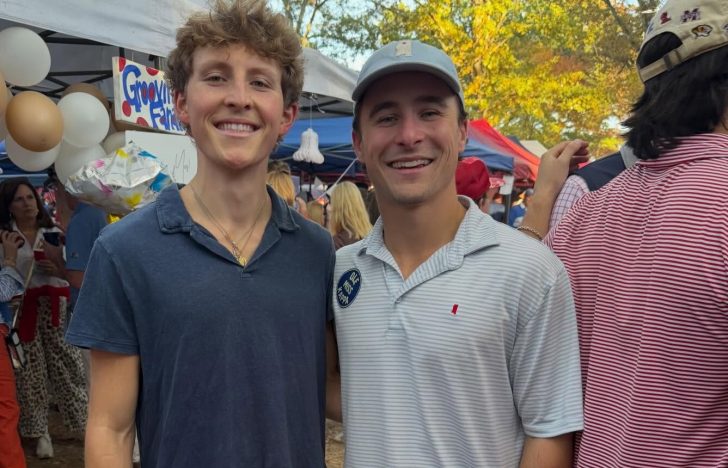
Micky / IG / Since June 2025, Hardy has operated Introduction.com, a private community built around connections between founders, investors, and professionals working in crypto, fintech, artificial intelligence, and other emerging technology sectors.
The idea of Introduction.com fits naturally with Hardy’s career. His work puts him around founders, investors, creators, and executives who often need access to the right people more than on another public social network. Introduction.com aims to create those connections inside a more focused community.
Hardy has also become an angel investor. His investments include companies such as Discord, Epic, and Databricks. Moving from young founder to investor adds another layer to a career that started with a decision to leave college before most people would consider taking that risk.