



The Federal Reserve is stuck in a tight spot, and the pressure is building fast. Inflation has refused to cool the way policymakers expected, and now a fresh oil shock is making things worse. At the same time, the job market is starting to show cracks, which complicates every decision the Fed makes.
However, this is not a normal slowdown or a typical inflation spike. It is a mix of both, and that combination is what economists call stagflation. Prices rise while growth slows, and there is no easy fix. The Fed cannot solve both problems at once without risking more serious damage.
Oil Shock Hits Before the Data Catches Up
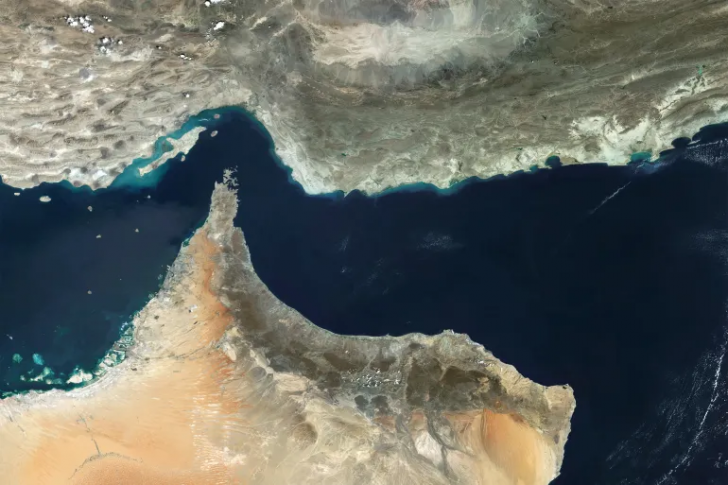
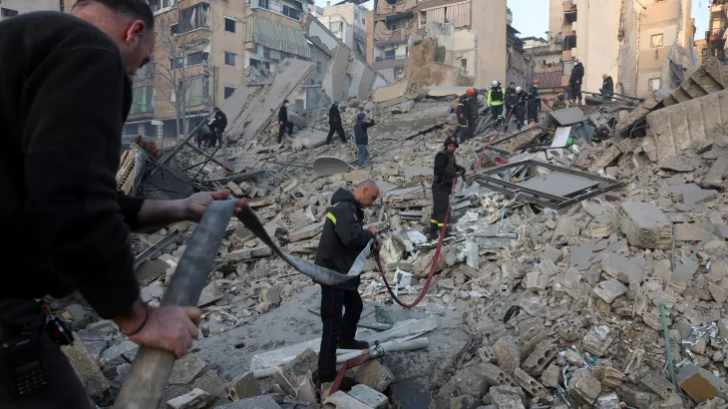
GTN / The spark came from a sudden geopolitical clash that shut down the Strait of Hormuz, a key route for global oil shipments.
Prices reacted instantly, with crude jumping past $100 and briefly touching much higher levels.
The problem is that official data has not caught up yet. Government reports like CPI and PCE still reflect calmer conditions from before the conflict began. That creates a dangerous gap between what people are experiencing in real life and what policymakers see on paper.
Forward-looking estimates tell a different story. Real-time models already show inflation climbing again, driven largely by energy costs. These tools suggest that the next few months of data will look much hotter, which means the Fed may soon face pressure to act.
Core inflation isn’t showing much relief either. Even when food and energy are removed, prices continue to rise faster than the Federal Reserve would like, hinting at underlying economic pressures rather than fleeting shocks.
Growth Slows as Prices Climb
The labor market is flashing early warning signs. Recent reports of job losses surprised analysts, and hiring has begun to slow. At first glance, the change seems minor, but it may signal a broader cooling.
Consumers are feeling the impact. Rising fuel costs ripple across the economy—from groceries to commuting—forcing households to trim spending on other things, which slows overall activity.
This is precisely where stagflation risk appears: higher prices reduce buying power, while slower growth limits income increases. Businesses struggle with rising costs and weakening demand at the same time.
The Fed faces a delicate balancing act. Focus too heavily on inflation, and the economy could slow sharply. Focus only on growth, and inflation risks spiraling further out of control.
Inside the Fed’s Growing Divide
The News / The Federal Reserve itself is not fully aligned on what to do next. Some officials believe the oil shock is temporary and should not drive long-term policy.
Some officials argue the central bank should prioritize supporting the economy, particularly as job losses appear.
Others warn of the danger in letting inflation expectations climb. Higher fuel prices affect households directly and can quickly shift expectations about future inflation. Once expectations rise, controlling inflation becomes much harder.
The disagreement reflects the uncertainty policymakers face. There’s no easy solution to managing a supply shock amid slowing growth, and the impact of any decision may take months to show.