





WestJet just made a bold move, and economy passengers aren't thrilled. The airline has started removing reclining from standard economy seats, and not everyone is taking it sitting down.
This is a full redesign of how you sit, fly, and stretch for hours. So why did WestJet do this, and what does it mean for your next trip?
What Is Changing in the Cabin?
WestJet is introducing a new seating layout on 43 of its narrow-body aircraft. These include the Boeing 737-8 MAX and 737-800 jets, which comprise less than a third of its narrow-body fleet.
The seats don’t recline anymore. Instead, they are “pre-reclined,” fixed in a slight backward angle. No buttons to push, no leaning back. What you see is what you sit in.
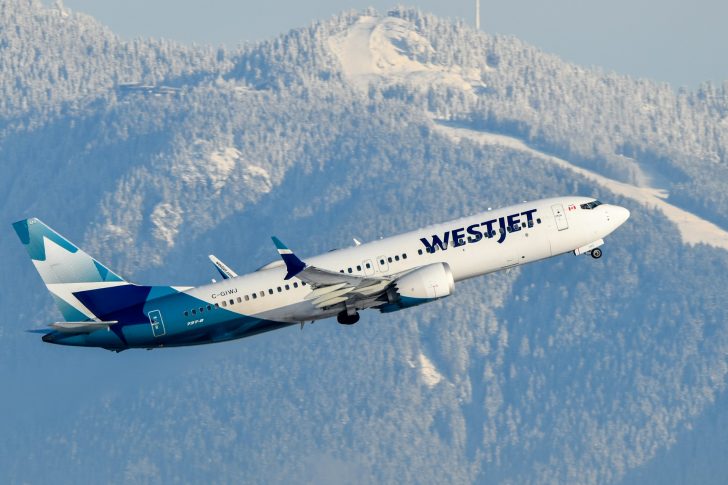
David / Unsplash / WestJet says this gives everyone more personal space and less chance of the person in front of you crashing into your laptop or tray.
The airline claims that in user testing, about half of the passengers actually liked the idea of fixed seats for that reason.
But if you are someone who likes to lean back mid-flight, you will have to pay for it. Only the Premium and Extended Comfort sections will still offer reclining seats, and yes, those tickets cost more.
Why Is WestJet Doing This?
This isn't just about comfort. It’s business. Fixed seats are lighter, cheaper to maintain, and let WestJet squeeze in an extra row of passengers. That helps the airline keep fares low and fuel bills lower.
There is also the people problem. As legroom shrinks, reclining has become a flashpoint on planes. Elbows fly, tempers flare, and flight attendants get dragged into the mess. Removing recline may reduce tension and arguments on board.
That said, this move clearly saves the airline money. And it shifts more comfort into the premium tiers, turning a former standard into a paid feature.
How Are Passengers Reacting?
Reactions are all over the map. Some travelers welcome the change. They say recline was barely usable anyway, and it often led to awkward confrontations with the person behind them.
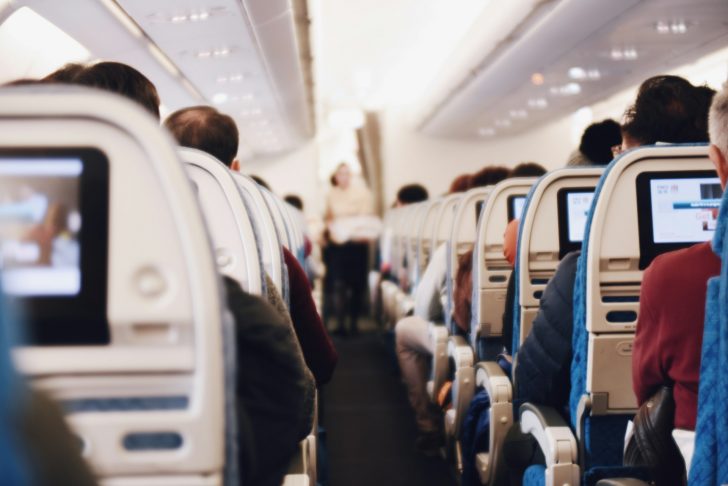
Choi / Unsplash / Passengers fear that this is another step toward paying more for what used to be basic. Critics argue that taking away recline, then charging more to get it back, feels like a cash grab.
Gábor Lukács, head of Air Passenger Rights, raised flags about the impact on taller travelers. Fixed seats can be a tight squeeze, and he worries those who need more room will feel pushed into pricier cabins just to stay comfortable.
What This Means for You
Flying WestJet next year? Pay attention to where you sit. If you book the cheapest ticket, expect a non-reclining seat. It will be fixed, slim, and tight. Your legs and back will notice.
If reclining is important to you, or you require more legroom, you will need to upgrade. The Premium and Extended Comfort sections still recline and give you more space. But the price jump may not be small.
On the plus side, the new cabins feature USB ports, device holders, and other contemporary amenities. It is not all bad news. However, comfort is now a choice you pay for, rather than a given.
However, WestJet isn’t alone here. More airlines are quietly making similar changes, trimming perks from economy and shifting them to higher fare brackets. Comfort is becoming a luxury.
This trend might work for some travelers who just want the lowest fare and don't mind sacrificing a bit of comfort. But for many, it feels like the walls are closing in, both literally and figuratively.